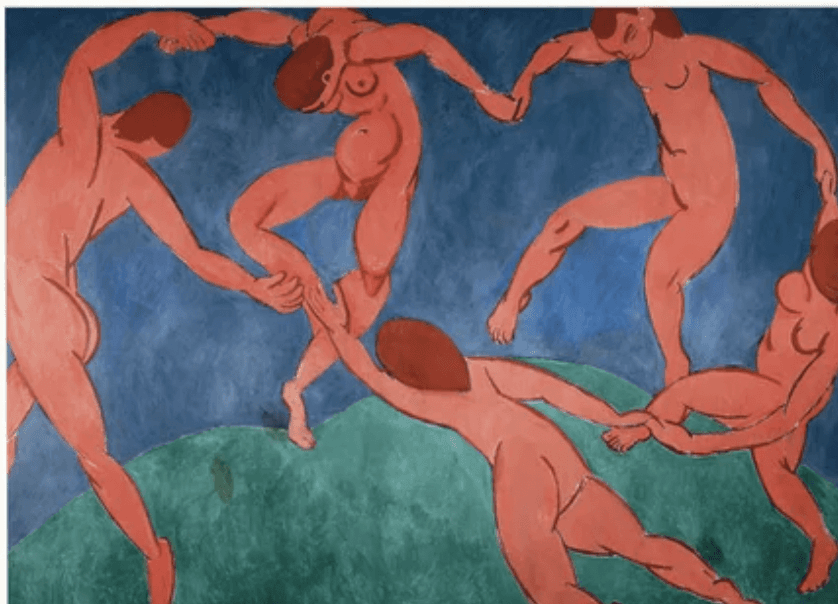
Healing Hop Hop Hop
Healing Hop Hop Hop
Hope doesn’t always arrive as a calm certainty.
Hope doesn’t always arrive as a calm certainty.
Sometimes, it hops.
Not forward in a straight line. Not with guarantees. But alive. Alert. Refusing to stay still. I call this Healing Hop Hop Hop because that’s how this phase began: with signals, people, emails, protocols, intuitions - jumping from one stone to the next across uncertain water.
H - Human Connections Before Protocols
Before science, before acronyms, before clinical trials, there were humans. Andreea Vanacker was one of the first to ignite hope. A connector by nature - precise and warm - she introduced worlds that rarely speak to each other: patients, researchers, clinicians, founders. Through her, I was introduced to several professors, which eventually led me to Dr. Vince Tedone in Florida.
Dr. Tedone’s story carries weight. His daughter, Deanna, was diagnosed with ALS in 2007. She is still alive today. Not as a miracle headline. As a living contradiction to inevitability. Dr. Tedone didn’t promise cures.
He did something rarer: he dedicated time - for his daughter, and somehow for many others, including myself. Time to explain. Time to answer emails in red text. Time to sit with complexity instead of dismissing it. Time is the first form of hope.
O - Orientation Instead of Illusions
ALS compresses time drastically. Suddenly, every decision feels urgent - and yet dangerous if rushed. One sentence from Dr. Tedone grounded me: “Autologous stem cell therapy should only be considered once Borrelia is under control. Not before.” Orientation, not acceleration. That reframed everything. The conversation moved toward what mainstream neurology still rarely explores deeply: that chronic Borrelia (Lyme) infection may be a contributing biological factor in some ALS cases - or at least a coexisting burden worth investigating more seriously.
Then I remembered something. Two and a half years ago, I discovered a tick under my armpit while taking a shower. It must have been there for a while, that bugger. I wish I had been checked then. I mentioned this to every neurologist I met. No one really took it seriously. So Borrelia infection - you got my attention.
Biofilms and cyst forms. Immune exhaustion. Metabolic terrain.
According to Dr. Tedone’s clinical experience - echoed by other practitioners working at the intersection of neurodegeneration and chronic infection - a very high proportion of ALS patients who are extensively tested show markers of Borrelia exposure, often alongside co-infections.
Not presented to me as proof. But as a recurring pattern. One that appears too frequently to be dismissed outright. This path led me to explore metabolic approaches like the Deanna Protocol - the protocol Dr. Tedone developed for his daughter - alongside immune-modulating strategies and independent research platforms quietly documenting hypotheses and observations that official systems are still debating or studying.
Hope, here, wasn’t denial of science.It was expanding the frame.
P - Paths, Not a Single Cure
Around the same time, more stones appeared. For the past two months, I’ve been seeing a bioresonance therapist in the Netherlands. He introduced me to a new concept: “ALSism.”
According to him, ALS is such an unknown set of diseases that when neurologists observe a certain cluster of symptoms, they label it ALS - and call it a day. He claims instead that Borrelia infection is the root cause, and that this bacteria can be treated with high healing frequencies. So… even if I remain slightly critical and skeptical, I go once a week. What do I have to lose?
This is my personal exploration - not a claim, not a recommendation. And then, another message arrived - this time via Dr. Tedone. Clear. Professional. Grounded. An invitation to speak with a medical doctor trained in Germany. Specialized in chronic, complex illnesses. Lyme disease. Tick-borne infections. Immune dysregulation.
Not a quick consult. A full hour. A space to discuss health history, symptoms, unanswered questions, diagnostic testing, and possible treatment routes. Via video. No travel. No spectacle. Licensed under German and EU laws Transparent about what he can - and cannot - prescribe depending on geography. Again, no promises. Just seriousness. Structure. Depth. Another hop to look forward to.
Clinical Trials - One Hop Among Many
And then, clinical trials. Not as a last resort. But as one hop among many. An email arrived from Tommy at UMC Utrecht. Careful. Precise. Human. A new Phase 1 cohort was opening as part of the ProJenX study. Patient information attached. Two research nurses ready to call me within days to explore eligibility. No pressure. No promise. Just an opening.
He shared updates from the broader field: progress in Phase 2 trials immune-modulation approaches such as low-dose IL-2 first-in-class molecules showing early Phase 2a signals several new studies preparing to start - some oral, some intrathecal All of it held within a clear boundary: details come only once EU ethics committees approve.
Care before speed. Clinical research, done right, also hops. Important. Rigorous. Slow.
Hop(e) - Documenting Instead of Disappearing
In one of those investigative emails, I wrote: “I will find a way to heal from ALS. I’m certain - just don’t know how yet.” That sentence mattered. Not because it was brave. But because it was directional. Another message followed soon after:
“I’ve received the message that I need to document this journey - so we can learn as a society from this disease. That’s why I wrote The Tunnel of Hope.”
This book is not a protocol. It’s a trace. A record of how hope actually behaves:
it consults
it hesitates
it contradicts
it connects
it hops
The Hop Rhythm
H
Human time, attention, care
O
Orientation over illusion
P
Plural paths, not single answers
Hop(e)
Movement without guarantees
I don’t know where the next stone is yet.
But I’ve learned something essential:
Hope is not standing still, waiting to be proven.
Hope is movement that respects uncertainty.
So I hop.
Carefully.
Consciously.
Together with others.
And sometimes -
that is already healing.
Note:
This text reflects my personal journey, questions, and explorations following my diagnosis.
It does not offer medical advice, diagnosis, or treatment recommendations.
All therapeutic decisions described were made in consultation with qualified professionals and reflect my individual context.
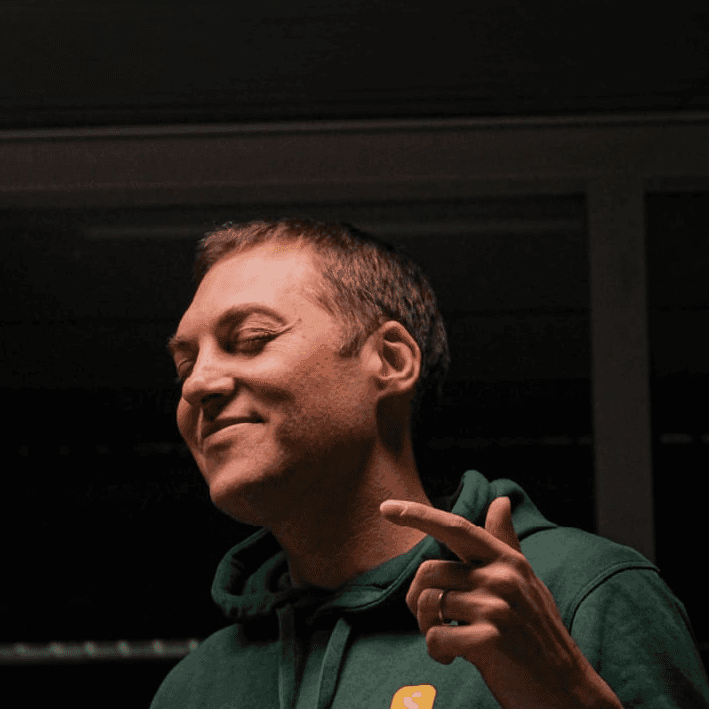
Florent Coudyser
Healing Hop Hop Hop
Hope doesn’t always arrive as a calm certainty.
Sometimes, it hops.
Not forward in a straight line. Not with guarantees. But alive. Alert. Refusing to stay still. I call this Healing Hop Hop Hop because that’s how this phase began: with signals, people, emails, protocols, intuitions - jumping from one stone to the next across uncertain water.
H - Human Connections Before Protocols
Before science, before acronyms, before clinical trials, there were humans. Andreea Vanacker was one of the first to ignite hope. A connector by nature - precise and warm - she introduced worlds that rarely speak to each other: patients, researchers, clinicians, founders. Through her, I was introduced to several professors, which eventually led me to Dr. Vince Tedone in Florida.
Dr. Tedone’s story carries weight. His daughter, Deanna, was diagnosed with ALS in 2007. She is still alive today. Not as a miracle headline. As a living contradiction to inevitability. Dr. Tedone didn’t promise cures.
He did something rarer: he dedicated time - for his daughter, and somehow for many others, including myself. Time to explain. Time to answer emails in red text. Time to sit with complexity instead of dismissing it. Time is the first form of hope.
O - Orientation Instead of Illusions
ALS compresses time drastically. Suddenly, every decision feels urgent - and yet dangerous if rushed. One sentence from Dr. Tedone grounded me: “Autologous stem cell therapy should only be considered once Borrelia is under control. Not before.” Orientation, not acceleration. That reframed everything. The conversation moved toward what mainstream neurology still rarely explores deeply: that chronic Borrelia (Lyme) infection may be a contributing biological factor in some ALS cases - or at least a coexisting burden worth investigating more seriously.
Then I remembered something. Two and a half years ago, I discovered a tick under my armpit while taking a shower. It must have been there for a while, that bugger. I wish I had been checked then. I mentioned this to every neurologist I met. No one really took it seriously. So Borrelia infection - you got my attention.
Biofilms and cyst forms. Immune exhaustion. Metabolic terrain.
According to Dr. Tedone’s clinical experience - echoed by other practitioners working at the intersection of neurodegeneration and chronic infection - a very high proportion of ALS patients who are extensively tested show markers of Borrelia exposure, often alongside co-infections.
Not presented to me as proof. But as a recurring pattern. One that appears too frequently to be dismissed outright. This path led me to explore metabolic approaches like the Deanna Protocol - the protocol Dr. Tedone developed for his daughter - alongside immune-modulating strategies and independent research platforms quietly documenting hypotheses and observations that official systems are still debating or studying.
Hope, here, wasn’t denial of science.It was expanding the frame.
P - Paths, Not a Single Cure
Around the same time, more stones appeared. For the past two months, I’ve been seeing a bioresonance therapist in the Netherlands. He introduced me to a new concept: “ALSism.”
According to him, ALS is such an unknown set of diseases that when neurologists observe a certain cluster of symptoms, they label it ALS - and call it a day. He claims instead that Borrelia infection is the root cause, and that this bacteria can be treated with high healing frequencies. So… even if I remain slightly critical and skeptical, I go once a week. What do I have to lose?
This is my personal exploration - not a claim, not a recommendation. And then, another message arrived - this time via Dr. Tedone. Clear. Professional. Grounded. An invitation to speak with a medical doctor trained in Germany. Specialized in chronic, complex illnesses. Lyme disease. Tick-borne infections. Immune dysregulation.
Not a quick consult. A full hour. A space to discuss health history, symptoms, unanswered questions, diagnostic testing, and possible treatment routes. Via video. No travel. No spectacle. Licensed under German and EU laws Transparent about what he can - and cannot - prescribe depending on geography. Again, no promises. Just seriousness. Structure. Depth. Another hop to look forward to.
Clinical Trials - One Hop Among Many
And then, clinical trials. Not as a last resort. But as one hop among many. An email arrived from Tommy at UMC Utrecht. Careful. Precise. Human. A new Phase 1 cohort was opening as part of the ProJenX study. Patient information attached. Two research nurses ready to call me within days to explore eligibility. No pressure. No promise. Just an opening.
He shared updates from the broader field: progress in Phase 2 trials immune-modulation approaches such as low-dose IL-2 first-in-class molecules showing early Phase 2a signals several new studies preparing to start - some oral, some intrathecal All of it held within a clear boundary: details come only once EU ethics committees approve.
Care before speed. Clinical research, done right, also hops. Important. Rigorous. Slow.
Hop(e) - Documenting Instead of Disappearing
In one of those investigative emails, I wrote: “I will find a way to heal from ALS. I’m certain - just don’t know how yet.” That sentence mattered. Not because it was brave. But because it was directional. Another message followed soon after:
“I’ve received the message that I need to document this journey - so we can learn as a society from this disease. That’s why I wrote The Tunnel of Hope.”
This book is not a protocol. It’s a trace. A record of how hope actually behaves:
it consults
it hesitates
it contradicts
it connects
it hops
The Hop Rhythm
H
Human time, attention, care
O
Orientation over illusion
P
Plural paths, not single answers
Hop(e)
Movement without guarantees
I don’t know where the next stone is yet.
But I’ve learned something essential:
Hope is not standing still, waiting to be proven.
Hope is movement that respects uncertainty.
So I hop.
Carefully.
Consciously.
Together with others.
And sometimes -
that is already healing.
Note:
This text reflects my personal journey, questions, and explorations following my diagnosis.
It does not offer medical advice, diagnosis, or treatment recommendations.
All therapeutic decisions described were made in consultation with qualified professionals and reflect my individual context.
Florent Coudyser